So, what’s the issue?
The PVC Drawback
PVC food wrap has been valued for its tackiness and clarity, but growing health concerns, poor recyclability, and retailer bans are pushing the market toward safer, sustainable alternatives.
Polyolefin films are now matching or surpassing PVC in performance and eco-friendliness.
The challenges of PVC in packaging and why PVC is being phased out.
PVC (polyvinyl chloride) food wrap faces growing pressure from regulators, retailers, and consumers due to:
- Health risks: PVC requires plasticizers (e.g., phthalates or adipates) for flexibility. These can migrate into fatty or oily foods, especially under heat conditions such as microwave use. Strict limits or outright bans exist in the EU, Japan, and other regions, making compliance complex and trust in supply chains challenging.
- Production hazards: PVC production releases vinyl chloride monomer (VCM) — a known carcinogen — requiring strict emission controls.
- Recycling problems: PVC food wrap has extremely low recycling rates and often contaminates polyethylene recycling streams, making safe and efficient recycling impossible.
- Environmental concerns: Landfilled PVC, when incinerated, can emit toxic dioxins harmful to humans and ecosystems.
As a result, PVC food wrap is now on multiple Plastics Pact phase-out lists worldwide (WWF, Ellen MacArthur Foundation, UK Plastics Pact, ANZPAC, SA Plastics Pact), pushing the packaging industry toward safer, circular alternatives.
PVC food wrap can contain 30–60% plasticisers and stabilisers. The highest additive load of any packaging plastic.
Zero Waste Europe, 2024
Over 70% of PVC-wrapped fatty foods show plasticiser migration from the film into the product.
Food Packaging Forum, 2023
Retailers, governments, and environmental bodies are removing PVC from food packaging due to toxicity and recyclability failures.
Zero Waste Europe, 2024
PVC production generates three times the greenhouse gas emissions compared to polyethylene films like Superthene.
European Plastics Federation, 2022
PVC vs. Polyolefin Food Wrap. What’s the Difference?
PVC wrap offers good cling, stretch, and clarity — but these benefits come with serious drawbacks: sustainability concerns, chemical migration risks, and food safety limitations.
Polyolefin wraps like Superthene deliver:
- Better sustainability: 100% recyclable with PE/PP streams
- Food safety assurance: Safe for all foods, including fatty foods, even under heat
- Comparable performance: High clarity, strong stretchability, extended shelf life, and consumer-friendly environmental credentials
Where PVC falls short, Polyolefin steps up — meeting the needs of both food safety regulations and the Circular Economy.
PVC vs. Polyolefin (in detail)
Properties | PVC Food Wrap | Polyolefin (PO) Food Wrap |
|---|---|---|
Material | PVC with plasticizers for flexibility | Polyolefin blends designed for strength, clarity, and tack |
Additives | ~40% additives for flexibility & antifog | <2% additives in Superthene |
Stretch & Cling | Excellent natural cling and stretch; no adhesives needed | Lower natural cling; heat sealing ensures tight, sustainable wrap |
Strength | Easily punctured by sharp edges — thicker films needed | High puncture resistance, allowing downgauging (thinner films) without compromising strength |
Clarity & Gloss | Very high clarity and gloss, excellent product visibility | Equal or better clarity and gloss than PVC |
Gas Permeability | High gas/moisture transmission — meat browns quickly | Lower gas/moisture transmission — keeps meat red longer, minimal fogging issues |
Cold Temperature Performance | Becomes brittle below 0°C | Stays flexible even in blast freezing conditions |
Plasticizers | Contains plasticizers; migration risk with fatty foods | No plasticizers; safe with all food types |
Regulatory Acceptance | Increasingly restricted globally due to chemical concerns & poor recyclability | Fully aligned with sustainability initiatives and retailer requirements |
Recyclability | Technically recyclable but rarely done; contaminates polyolefin recycling streams | 100% recyclable where PE/PP recycling exists |
Cost | Historically cheaper per roll than PO, but requires thicker film | Superthene PO films often match or beat PVC cost per meter due to downgauging and lower density |
Carbon Footprint | Higher carbon footprint due to lack of recycling | Lower footprint: 40% weight saving per meter compared to PVC |
Environmental Impact | Chlorine-based; incineration can release HCl and dioxins; not suitable for polyolefin recycling | Non-chlorinated; compatible with mainstream recycling and safer for the environment |
Explore by Industry
Discover tailored packaging solutions designed for the unique needs of each food sector.

Protein Industry
Protect meat, poultry, and seafood with packaging proven to extend shelf life and maintain freshness.

Fresh Fruit & Produce
Keep fruits and vegetables fresh for longer with breathable, crystal-clear wrap designed for retail appeal.

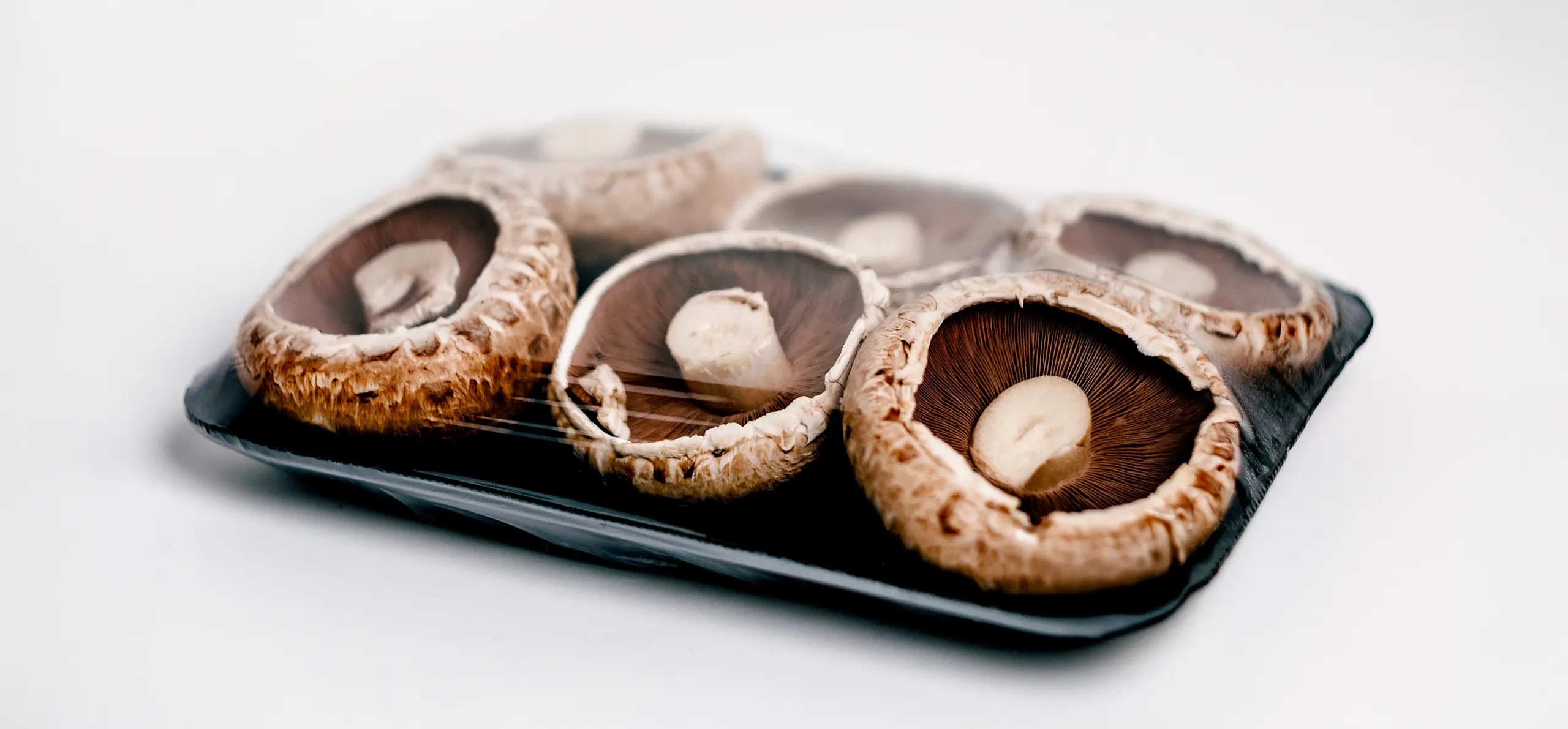
Mushrooms
Reduce browning and moisture build-up with packaging tailored for the unique needs of mushrooms.

Deli & Domestic
Flexible, food-safe wrap solutions for delis, supermarkets, and ready-to-eat foods.
Testimonials
Juan Theunissen
Southern Block Farming
Karien Niemand
Technologist Secrabje Verpakking CC
Casey, Manageress
Zimflex Fruit & Veg Exporter
Johan, Store Butchery Manager
OK Foods Franchise Store
Tammaryn, Marketing & Sales Manager
CT Organics
Used by the world's leading retailers
Why Switch to Superthene?
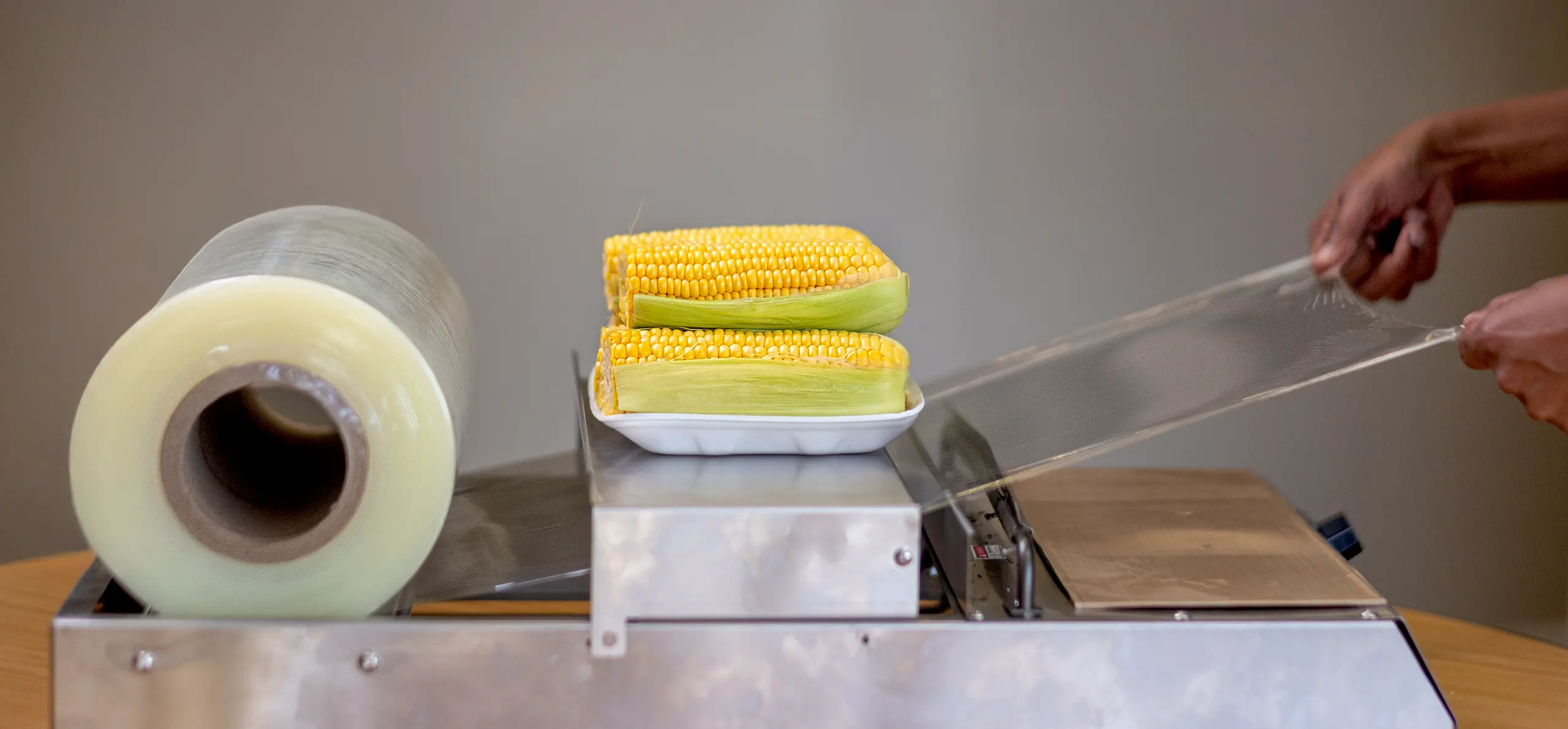
- Fits existing machinery no equipment changes needed
- Technical support for conversions & training
- Proven performance across food sectors
- Future-proof packaging for sustainability goals
Ready to make the switch?
Contact us today to replace your PVC food wrap with Superthene the healthier, sustainable choice for the future of food packaging.